Get the archive here (Torrent)
Torrent Mirror
Mega Mirror Part 1 Mega Mirror Part 2
Internet Archive Mirror
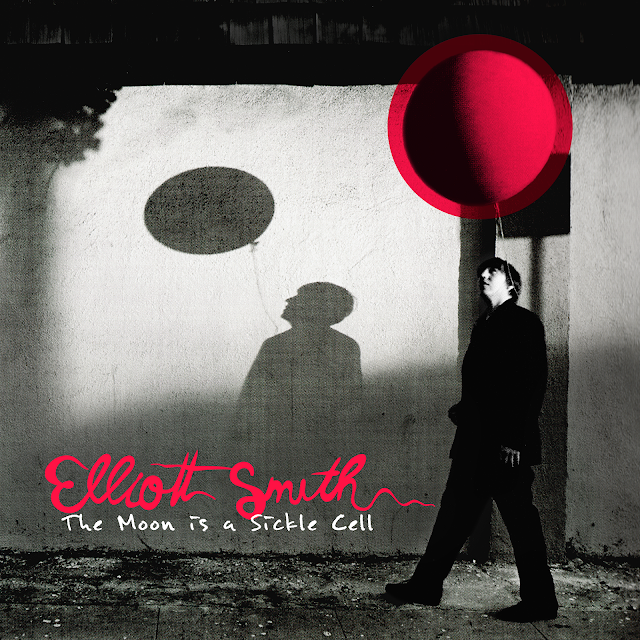
The Moon is a Sickle Cell has been updated for the 20th anniversary of Elliott's passing. This update adds the leaks and releases from earlier this year of his work before his solo career. This includes Stranger Than Fiction, Harum Scarum, A Murder of Crows, and Heatmiser.
The hope for this project from the start was to preserve Elliott's unreleased work in the best quality possible. There are so many songs that Elliott wrote and recorded that are excellent, but haven't been released. To really explain this, within this archive is a "best of the archive" collection that has 80 tracks that never made it to an album.
Elliott's influence on other songwriters has been immense. He seems to always pop up in conversations with musical creatives and he's kind of become a ubiquitous reference, especially in the studio. His music doesn't have the same kind of backing that an artist owned by a major label would, so I think that's why he always seems like he's just on the periphery.
I like that he's music's best kept secret and I'm glad to be a part of the fan community. I've enjoyed seeing how his music has been kept alive through various projects and shares. Still, there's always a chance that some of his music could be lost to time. I'm still dying to hear a good quality studio version of "Stained Glass Eyes" or "Flowers for Charlie" or "You Make It Seem Like Nothing" or "Abused."
A lot of these tracks have never seen any kind of official release or master by a professional audio engineer who could replicate Elliott's production style. Elliott's talent wasn't only his songcraft, but also his audio production skills. This can be seen in the difference between songs mixed by Larry Crane and songs mixed by Fritz Michaud, which the community tends to think is more in line with what Elliott would have wanted. That kind of mastering can only be achieved with access to the original recordings for the individual instrument and vocal parts.
Fingers crossed that we'll see the official release of some of these tracks next year for the 20th anniversary of From a Basement on the Hill. And fingers crossed that the audio production will sound like something Elliott would have been happy with.
This will probably be the last update ever to the archive. So it can serve as a snapshot of things up until 2023.
Read More ::
:: Read Less